Finding bedbugs early makes treatment simpler. The good news is that you do not need special equipment to carry out a useful first check — just a torch, a thin card (an old bank card or ID-sized card works well), and about half an hour.
This guide covers what bedbug evidence looks like and a systematic way to inspect a bedroom.
The four signs to look for
1. Dark spots
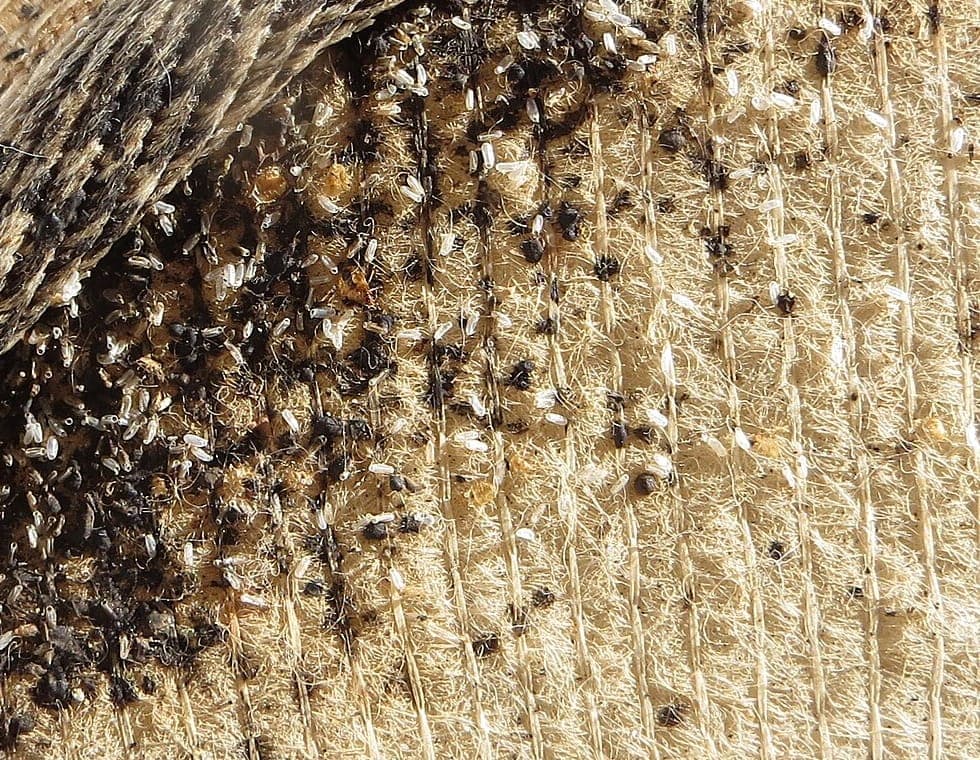
Clusters of small black or dark-brown dots, often along mattress seams and frame joints. These are bedbug droppings — digested blood. Unlike dust or mould, they sit on the fabric like ink dots and may smear if you wipe them with a damp cloth.
2. Shed skins
As young bedbugs grow they moult five times, leaving pale, papery, bedbug-shaped skins behind. Finding several in one seam is a strong sign of an established population.
3. Eggs and eggshells
Eggs are white, about 1 mm long, and glued in place in cracks, seams and joints. They are easy to miss without a torch.
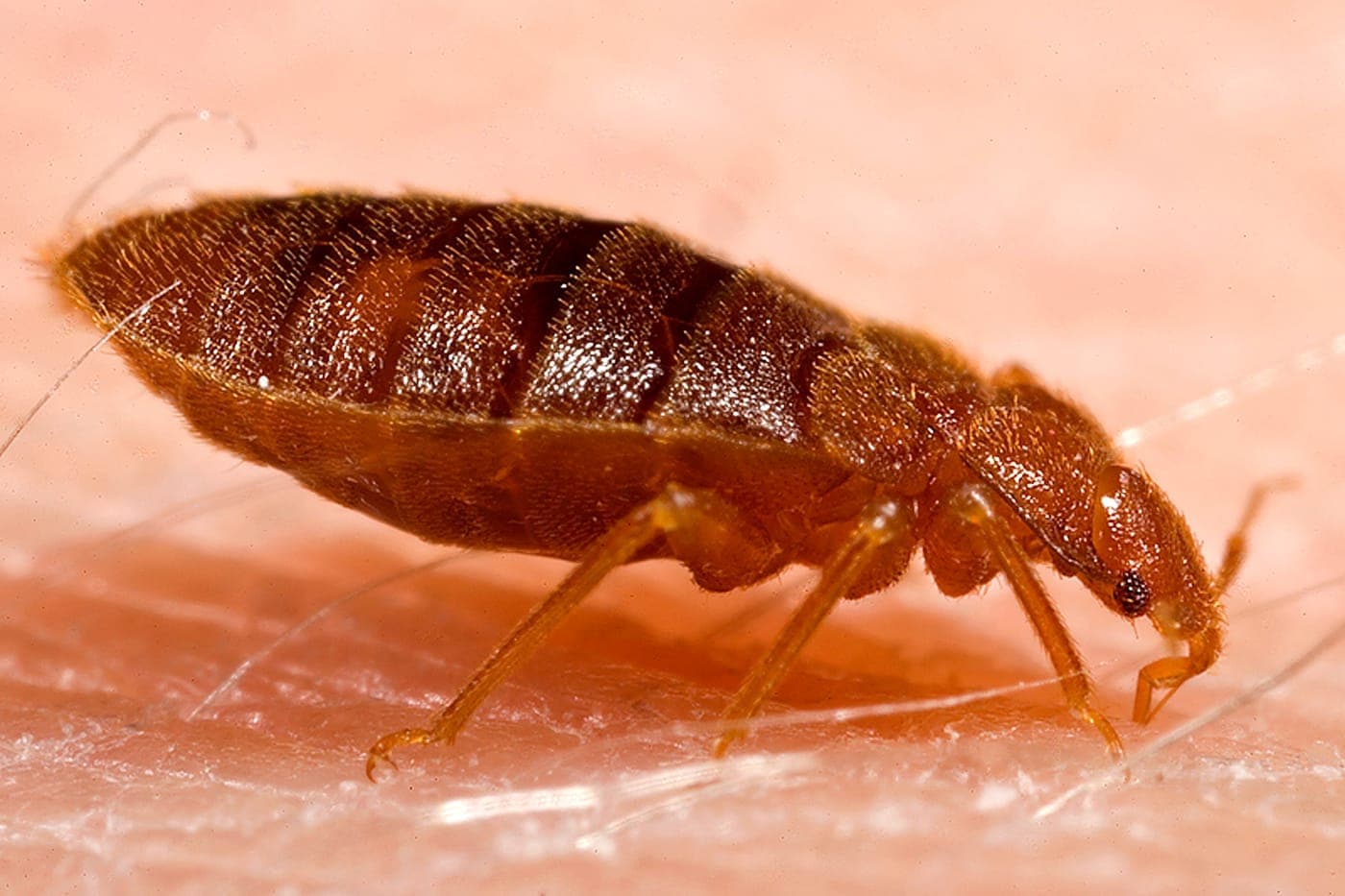
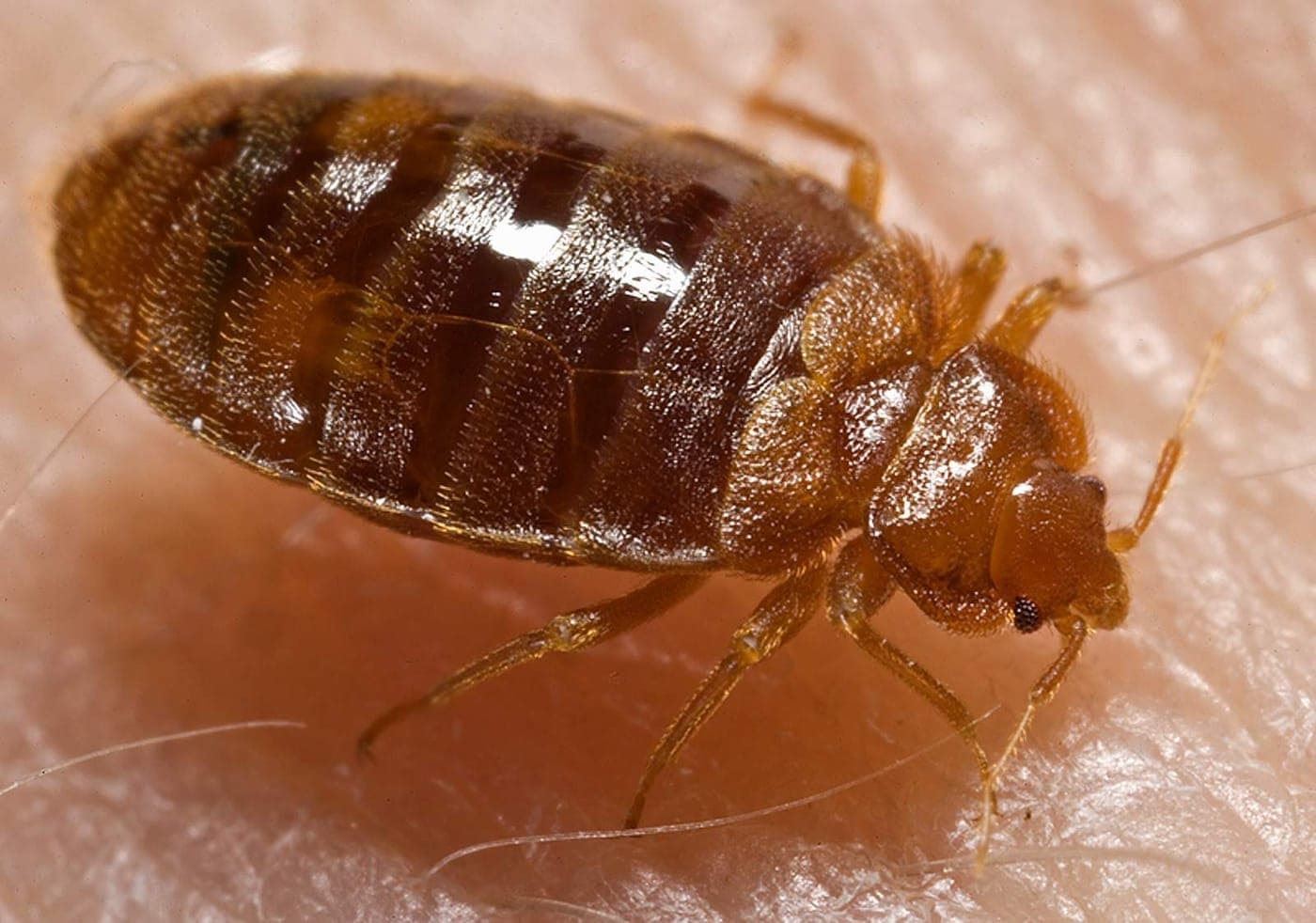
4. Live bedbugs
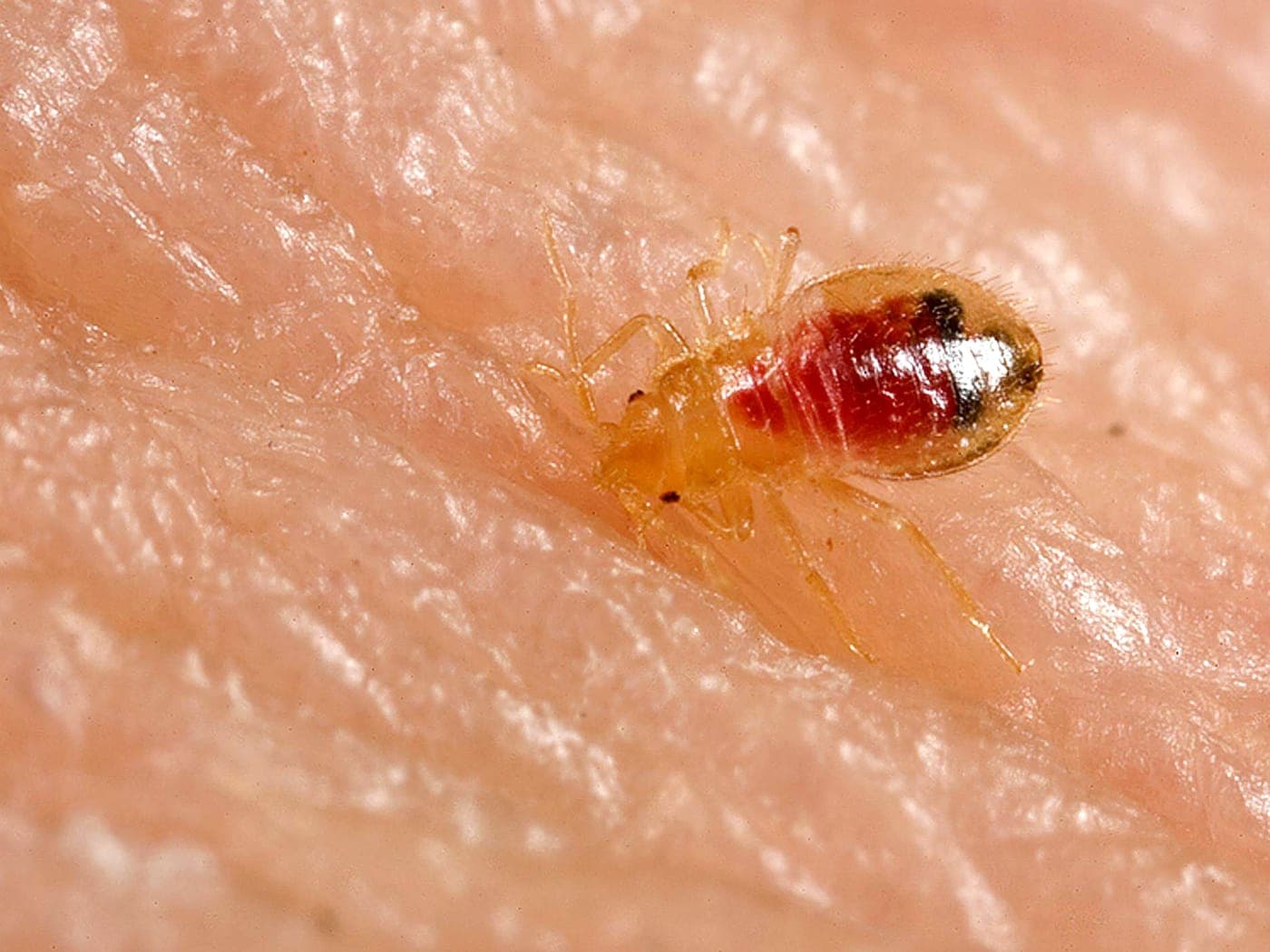
Adults are reddish-brown and about 5 mm long; nymphs are smaller and paler. They move away from light, so look quickly when you lift a seam or turn over a slat.
Small rusty or red stains on sheets and pillowcases can also appear when a feeding bedbug is crushed, but they are less specific than the signs above.
A step-by-step bedroom inspection
Work from the bed outwards, and avoid carrying bedding to other rooms while you do it.
- Strip the bed. Remove bedding carefully, folding it inward, and place it straight into a bag. Check pillowcases and duvet seams as you go.
- Inspect the mattress. Shine the torch along every seam and the piping on all sides, including the underside. Run the card along the seams to push out anything hiding. Check labels, handles and tufts.
- Check the base and frame. Lift the mattress and look at the slats, where slats rest on the frame, corner brackets and screw holes. Turn wooden slats over.
- Look at the headboard. Check joints and the gap against the wall. If it can be safely removed, look at the back of it.
- Move outwards. Inspect bedside tables (pull drawers right out), the edges of the carpet, skirting boards near the bed, curtain folds and anything stored under the bed.
- Check seating. Sofas and chairs where people rest or sleep are the next most common sites.
The inspection checklist on our homepage shows these hotspots on a diagram.
Why bites alone are not enough
Many people first suspect bedbugs because of itchy marks. Bedbug bites are often in lines or clusters on skin exposed during sleep, but mosquitoes, fleas, mites and some skin conditions produce very similar reactions, and some people do not react to bedbug bites at all. That is why physical evidence matters before anyone starts treating. If you have bites but cannot find anything, see bedbugs versus fleas and consider a professional inspection.
What not to do
- Do not spray household insecticide over the mattress or bedding. Many products are not labelled for that use and it can drive bedbugs deeper into the room.
- Do not use paraffin, petrol, agricultural chemicals or other improvised treatments. They are dangerous, especially around bedding, and do not solve the problem.
- Do not throw out the bed in a hurry. Dragging an infested mattress through the house can spread bedbugs, and the frame and room still need attention.
When to call a professional
Call for help if you find evidence in more than one place, if bites continue after your own efforts, or if you live in a flat, hostel or other shared building where bedbugs can move between units. A bedbug inspection confirms what is happening and shows whether the two-treatment programme is needed.