Homes and apartments
Residential Bedbug Control
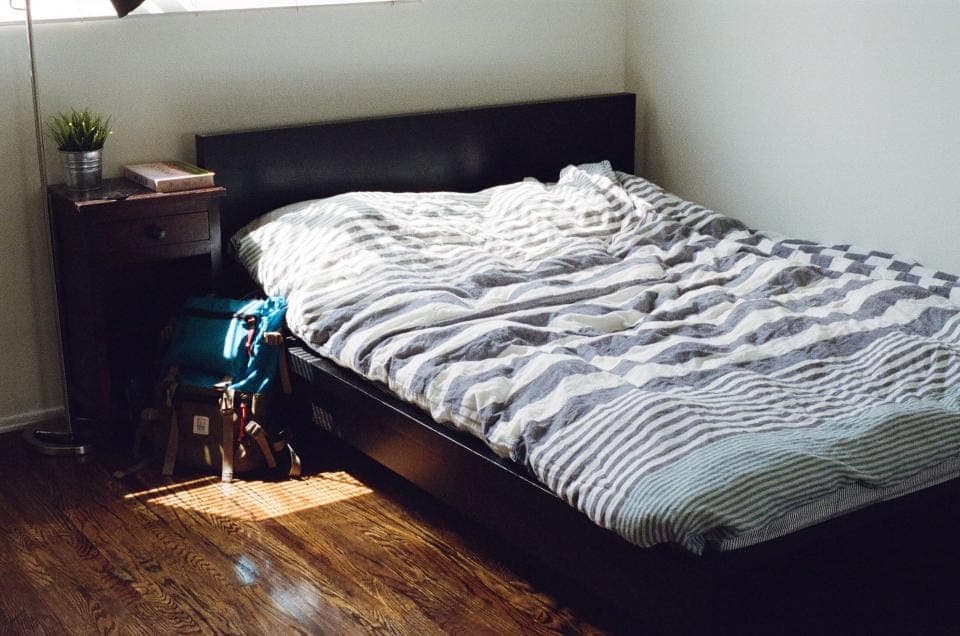
Bedbug treatment designed around your household
Finding bedbugs at home is stressful. Sleep suffers, children are uncomfortable, and it can be hard to know who to trust. Our residential service is built to take that uncertainty away: you will know what we are going to do, what you need to do, and what it costs, before any treatment starts.
What we treat in a home
Bedbugs stay close to where people sleep and rest, so treatment concentrates on:
- Beds — mattress seams and piping, bases, bed frames, slats and headboards.
- Bedroom furniture — bedside tables, drawers, wardrobes and dressing tables near the bed.
- Seating — sofas, armchairs and cushions, especially where someone sleeps or naps.
- The room itself — skirting boards, cracks, curtain folds, sockets and other hiding places found during inspection.
- Other rooms where evidence is found. We check rather than assume.
Children, pets and vulnerable family members
Tell us if anyone in the home is pregnant, a baby or young child, elderly, asthmatic or unwell, and whether you have pets or fish. This affects which products and methods are suitable and how long people and animals should stay out of treated rooms. You will always be given:
- Clear instructions on who should leave and for how long.
- The re-entry period for the specific products used — not a generic number.
- Guidance on bedding, laundry and cleaning after treatment.
Two treatments, six days apart
Our standard residential treatment is the two-treatment eradication programme. The first visit treats the active infestation; the second, six days later, targets bedbugs that survived and nymphs that have hatched since. Prices are per visit by the number of bedrooms — see the price list below — and the programme is backed by an eradication guarantee under its written terms.
Your part: preparation
Preparation makes a big difference to results. Common steps include bagging bedding for hot washing, clearing items from under beds, emptying bedside drawers and keeping belongings in the affected room rather than moving them around the house. You will receive instructions specific to your home; our preparation guide explains the general principles.
Flats and shared buildings
If you live in an apartment, bedbugs may be coming from — or going to — a neighbouring unit. We can advise you on how to raise it with your landlord or management, and we work directly with property managers on multi-unit buildings.
Not sure it's bedbugs?
Bites alone are not proof. Use our guide to identifying bedbugs in your mattress and bedroom, or book an inspection first.
Residential prices
| Property | Per visit | 2 visits (full programme) |
|---|---|---|
| Studio / Bedsitter | KSh 4,500 | KSh 9,000 |
| 1 Bedroom | KSh 5,500 | KSh 11,000 |
| 2 Bedrooms | KSh 6,500 | KSh 13,000 |
| 3 Bedrooms | KSh 7,500 | KSh 15,000 |
| 4 Bedrooms | KSh 8,500 | KSh 17,000 |
Prices are per treatment visit. Every programme includes two visits, six days apart, so the full programme costs twice the per-visit price. Homes with five or more bedrooms, hotels and commercial premises are quoted individually. Outside Nairobi and Mombasa, please confirm availability first.
Preparation and safety
Getting ready for treatment, safely
Follow the technician's preparation instructions
Preparation depends on the treatment method. You will be told exactly what to do for your property before the first visit.
Handle bedding and laundry as directed
Bag bedding and clothing as instructed and launder them according to the plan, rather than moving them to other rooms.
Keep children and pets away from treated areas
Keep them out of treated rooms for as long as the technician directs. Cover or remove fish tanks and pet food if asked to.
Observe the specified re-entry period
Re-entry time depends on the product label, method and ventilation. You will be told the period for your specific treatment.
Avoid mixing or over-applying pesticides
Do not add your own sprays or powders before or between visits unless the technician agrees. More product does not mean better control.
Follow the label and safety instructions
The product label is a legal document. Professional products are applied only as their labels permit, and so should any household product you use.
Related services and guides
- Two-treatment programmeHow the two visits work and what the guarantee covers.
- How to prepare your homeBedding, clothing, furniture, children and pets.
- Bedbug control costWhat affects the price of treating a home.
- Bedbugs in apartmentsHow bedbugs spread between units.
- Bedbug inspectionConfirm the problem before committing to treatment.
- Reduce the risk of bedbugs returningHabits that keep a treated home clear.
FAQ
Frequently asked questions
How should I prepare my bedroom?
Preparation depends on the treatment plan, and you will receive specific instructions before the visit. Common steps include reducing clutter around the bed, bagging bedding and clothing for laundering as directed, and clearing access to bed frames, skirting and furniture.
Please do not move furniture or belongings to other rooms before the visit, as this can spread bedbugs. See our full preparation guide.
Do I need to leave the house during treatment?
Usually, yes. People and pets should stay out of the rooms being treated during the treatment and for the re-entry period the technician gives you. That period depends on the products and method used, so it is confirmed for your specific treatment rather than being a fixed number of hours.
Can I sleep on my mattress after treatment?
In most cases you can keep using your bed once the re-entry period has passed and the technician has confirmed it is safe to do so. Whether a mattress is treated directly, and what you should do afterwards, depends on its condition and on the product labels. Never apply household insecticide to your mattress yourself unless the label clearly permits it.
When can I return to a treated room?
The technician will tell you the re-entry time for your treatment before they leave. It varies with the product label, the method and ventilation, so we do not publish a single re-entry time that applies to every case. Follow the specific instructions you are given.
Will one treatment eliminate bedbugs?
We do not promise that a single visit will eliminate an infestation. Bedbug eggs are more difficult to kill than active bugs, and some insects may be hidden in places that are hard to reach on the first visit.
That is why our core service is a two-treatment programme: a second treatment six days after the first targets bedbugs that survived or hatched in the meantime.
How can I prevent bedbugs from returning?
Inspect second-hand furniture and mattresses before bringing them home, check luggage after travel, reduce clutter around beds, and consider mattress encasements so any new activity is easy to spot. Report any new signs early. Our guide on reducing the risk of bedbugs returning covers this in detail.
Concerned About Bedbugs? Let's Assess the Problem.
Tell us about the affected property and get guidance on the next steps for professional bedbug control.